A senior United States Army soldier serving with NATO in England has been arrested on suspicion of spying for Russia, in a case British and American officials are treating as one of the most serious counterintelligence breaches in years. The 41-year-old soldier, who has not been named, was detained near Gloucester on Tuesday, November 10, by counterterrorism officers from London’s Metropolitan Police. The arrest was made working closely with United States authorities, the U.S. military and the FBI, the Metropolitan Police said in a statement. He remains in custody at a London police station while the investigation continues. As of Wednesday, no charge had been announced, and police have not said what information he is suspected of handling.
Source: ABC News
#Russia #Putin
Arrested Under Britain’s National Security Act
The soldier was arrested on suspicion of offences under Section 1 and Section 3 of the National Security Act 2023, Britain’s updated espionage law. Section 1 covers obtaining, copying, retaining or disclosing protected information, while Section 3 covers assisting a foreign intelligence service. The Metropolitan Police stated plainly that the country to which the allegations relate is Russia. Officers are carrying out searches at two locations in Gloucestershire as part of the investigation. Police also stressed that the arrest is not linked to any other ongoing Counter Terrorism Policing investigations, an attempt to stop the case being folded into unrelated security scares.
The legal framing matters because the National Security Act was written to modernise laws that dated back to the Official Secrets Acts of the early twentieth century. Its foreign-intelligence offences carry heavy sentences and were designed for exactly this kind of case, where the alleged assistance to a foreign service may fall short of classic wartime spying. By citing both the protected-information section and the assisting-a-foreign-service section, investigators are signalling that they believe both the handling of sensitive material and a relationship with Russian intelligence are in play. Those remain allegations at this stage, and the soldier is entitled to the presumption of innocence. The next public step will be either a charging decision or a release, and officials have given no timeline for either.
A Sensitive Posting at NATO’s Rapid Reaction Headquarters
What elevates the case from a routine arrest to an alliance-level problem is where the soldier worked. A senior NATO official told CNN that he was assigned to the Allied Rapid Reaction Corps, the British-led NATO corps headquartered at Imjin Barracks on the outskirts of Gloucester. The corps is NATO’s high-readiness land headquarters, the formation that would coordinate large-scale allied land operations in a crisis. A U.S. official described the detained man as a field-grade officer, the rank band that runs from major through colonel. Brigadier General Sean Stinchon, commanding general of U.S. Army Counterintelligence Command, said the senior soldier in question was entrusted with sensitive information.
That combination — a field-grade rank, a rapid-reaction headquarters and access described by his own counterintelligence chief as sensitive — is what has alarmed officials on both sides of the Atlantic. Staff officers at a corps headquarters work with operational planning, readiness reporting and the movement of forces across Europe. In a period when NATO’s eastern flank planning is dominated by the war in Ukraine, material from such a headquarters would be valuable to Russian intelligence. Investigators have not said whether any information actually reached Moscow, or whether the case rests on attempted contact, handling of documents or something else entirely. The searches in Gloucestershire may be aimed at answering precisely that question.
Washington Reacts, Moscow Denies
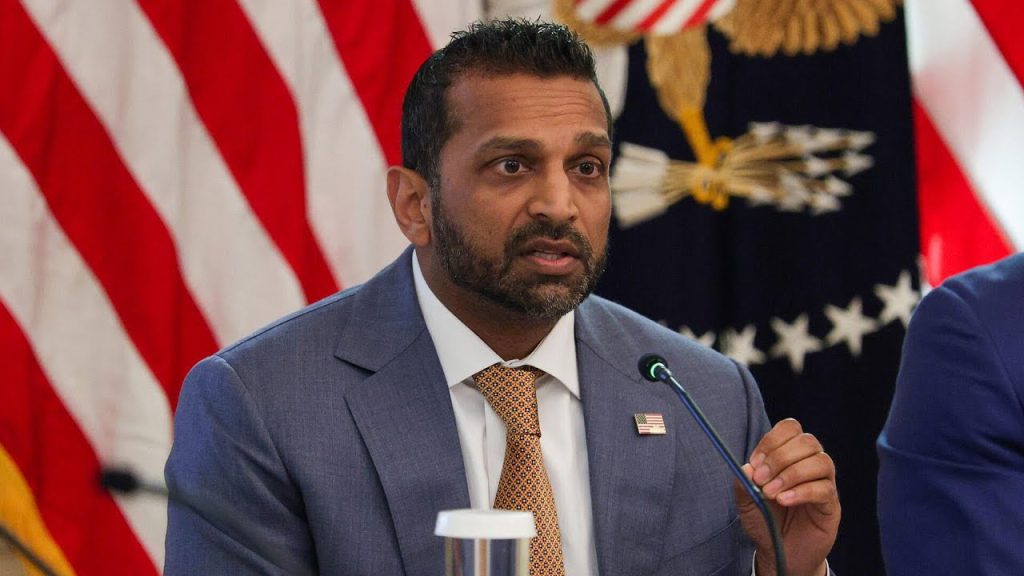
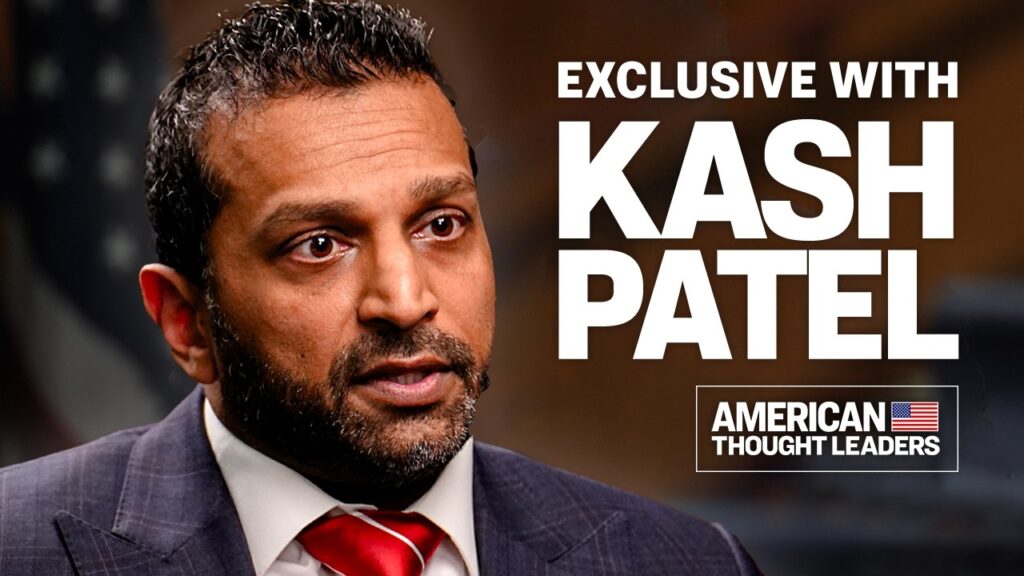
FBI Director Kash Patel was quoted in the police release stating that the arrest involves allegations of espionage and is of the utmost concern to the United States and its allies. Patel also announced the arrest publicly on social media, an unusual step that underlined how senior the case’s handling has been from the first hours. The U.S. Army Counterintelligence Command, for its part, declined to add detail when reporters asked, referring questions back to the official statements. British officials have likewise kept their comments to the police statement, naming neither the soldier nor his exact duties. That restraint is typical in the first days of an espionage investigation, when public detail can compromise searches, interviews and any future prosecution.
Moscow’s response arrived on Wednesday and was a flat denial. Kremlin spokesman Dmitry Peskov told reporters that Russia has no connection to the case whatsoever and does not know what it relates to. Such denials are standard in espionage cases regardless of the underlying facts, and they settle nothing either way. The arrest also landed in an already nervous week for British bases, coming after Washington removed aircraft from bases in Britain over a separate apparent threat linked to Iran, according to Reuters reporting. Police have been explicit that the espionage arrest is not connected to those other investigations, and there is no public evidence linking the two matters.
What Happens Next
The immediate questions are procedural and evidentiary. British counterterrorism police can hold a suspect for a limited period before charge, and the outcome of the Gloucestershire searches will shape whether this becomes a prosecution under the National Security Act. American authorities face parallel decisions about the soldier’s military status, since service members can face proceedings under U.S. military law as well as civilian charges. Damage assessment is the quieter task running underneath the legal one: counterintelligence teams will need to establish what the soldier could access, what he actually accessed, and whether anything left the building. That work can take months, and its conclusions may never be fully public.
Whatever the legal outcome, the case will feed a wider debate inside NATO about insider risk at multinational headquarters. Alliance formations depend on officers from dozens of countries sharing planning spaces, systems and documents, and that openness is operationally necessary as well as a standing vulnerability. Recent years have brought a series of espionage cases across Europe involving Russian intelligence, alongside mass expulsions of Russian diplomatic staff accused of spying. A suspected penetration of a NATO corps headquarters by the alliance’s own second-largest contributor’s army would be a different order of embarrassment. For now, the facts are narrow and official: a 41-year-old senior soldier, arrested near Gloucester, held in London, with Russia named by police and denied by the Kremlin. Everything beyond that awaits the investigation.
#Russia #Putin